Gretchen Hasse
November 21, 2024
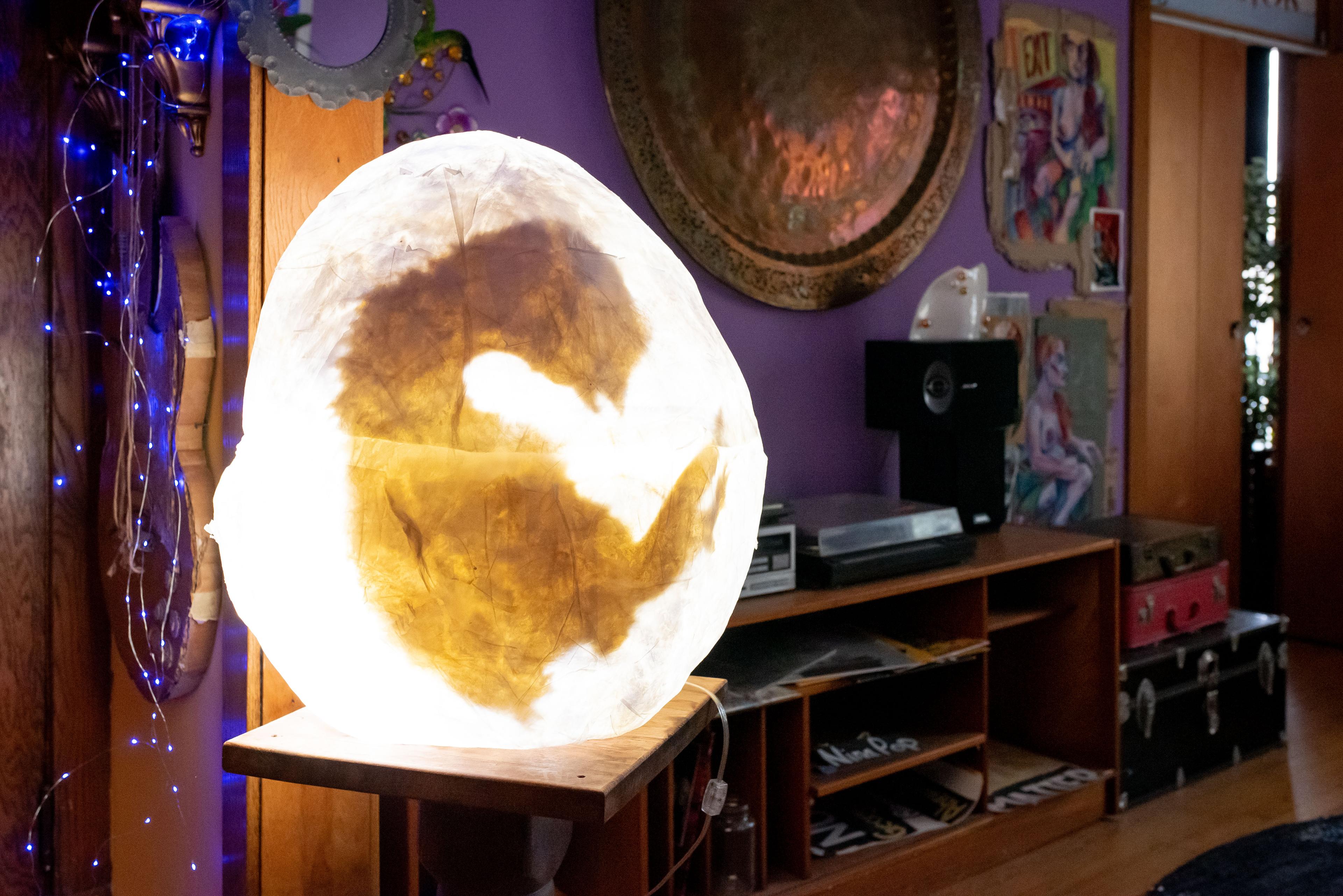
GRETCHEN HASSE sustains an art practice that is as vibrant and diverse as her colorful apartment. Nestled above Agitator Gallery, a community art space of which Gretchen is a founding member, her living space is specially suited to gatherings. Every great storyteller needs an audience, and along with her many other community-based pursuits, she cultivates spaces for sharing. Comics, puppetry, performance, public murals, and moving images–this is the dynamic range of mediums Gretchen moves between when spinning tales of resilience and survival. She strives for accessibility, building “worlds with seams that are easily visible”, inviting you to revel in the spectacle while appreciating the scaffolding. One is encouraged to consider their world and their place within it, and ponder the potential for change.
Hasse is a storyteller working in comics, collage, public art, and moving images. She holds a BA in Anthropology from Northern Illinois University, and an MFA in Film, Video and New Media from the School of the Art Institute of Chicago. She has exhibited work throughout the city, and her films have screened in Chicago, New York City, Berlin, London, and computer screens everywhere.
OtherPeoplesPixels: Dinosaurs have featured in your puppetry work for some time now, and you're currently in the process of developing a project titled The Dinosaur Opera. It seems obvious that working with this subject would open up new possibilities in terms of scale, but it also allows you to play with time in radical ways. Do you think of your forays into the deep and distant past as a way of opening up a space in the present?
Gretchen Hasse: I went to the Air and Space Museum in the Smithsonian back in 2016, and I saw the Apollo Space Module, Columbia. It is impossibly small, barely bigger than two human beings. Astronauts were in the emptiness of the universe in this tiny thing. How do you not lose your entire mind? I started wondering how much further we are from that at any time. How much have things changed since I've been alive, and how much might they change after I'm gone?
I think about the deep past and the deep future, and how focused we seem to be on immediate gain. It's a very difficult topic to even conceive of, and dinosaurs are a good shorthand for it. I don't know of anybody that isn't at least vaguely intrigued by dinosaurs. They give you a sense of vast expanses of time and of other worlds that have existed before us which still influence us. Fossil fuels will come up in the story at some point, but I'm still trying to conceive of what it's going to look like. The Thing With Wings is the first of a series of short, meditative pieces that are loosely connected with the theme of dinosaurs. They will have different flavors and characters that can be performed either alone or in company with each other.
OPP: It does inspire the imagination. The thing itself is no longer even there, so we’re just left with this scaffolding on which we can project whatever we can think of. It opens up so much possibility.
GH: The fact that they are so grand is another element. I recently went to see some fossils in person at the Field Museum. In their presence you’re reminded that you are just a speck, both in terms of space and time. When we performed The Thing With Wings I operated the controls for the dinosaur egg, and I was able to observe the audience, of which many were children. When "Dahlia" (the dinosaur) appeared, there was this overwhelming wave of wonder and surprise. It was so satisfying, because that’s what it's all about.
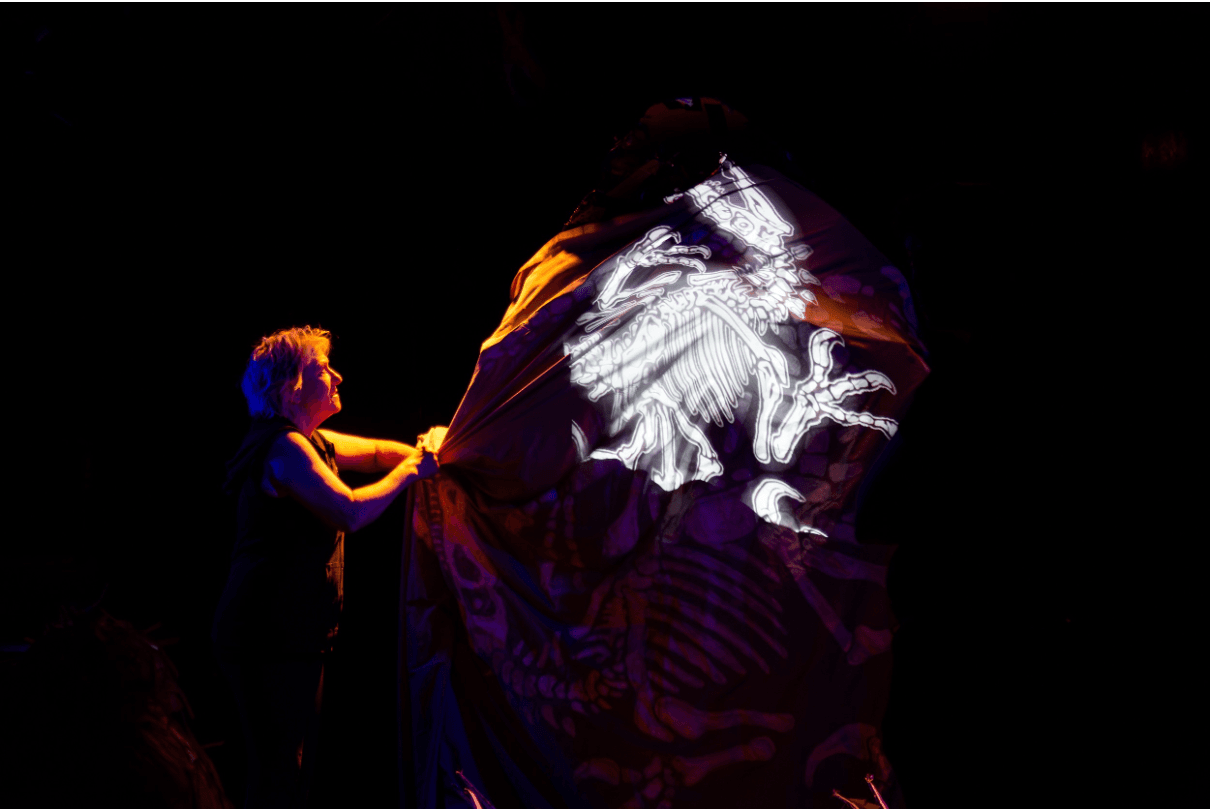
I started thinking about the potential for this engagement with the public when I was painting murals. People will come along and tell you what they think about it, and there's something really humbling about that. It's great when art can be a part of your daily life somehow, and it's not this removed, esoteric thing in a museum. I want to make work that is more accessible somehow.
The Agitator Artist Collective currently has a puppetry troupe as artists-in-residence, and they do a lot of street theater. In general, the puppetry community is about free theater, and bringing theater to people as opposed to trying to get them into an art space. It's a very specific way of doing things. You have to carefully consider accessibility, because you often have only a few minutes to engage people.
OPP: Overall your art practice is anything but a solitary pursuit. This is an element I see present in how your work engages with the public, but also in how you engage with your community. Do you think that this evolves from your time-based media practice, which is inherently collaborative?
GH: It's funny because I am basically an introvert, but that gets boring. If you want a particular kind of thing to happen, you need to be able to figure out how to work with people. I’ve slowly developed those skills, and I'm becoming more and more drawn to live, interactive work, though I still prefer to have a barrier of a puppet between me and the public.
OPP: This summer you wrote and performed a solo piece titled The Knee Play, which explores the challenging realities of a sexual being with a debilitating physical condition. What was it like to inhabit this deeply vulnerable space for an audience?
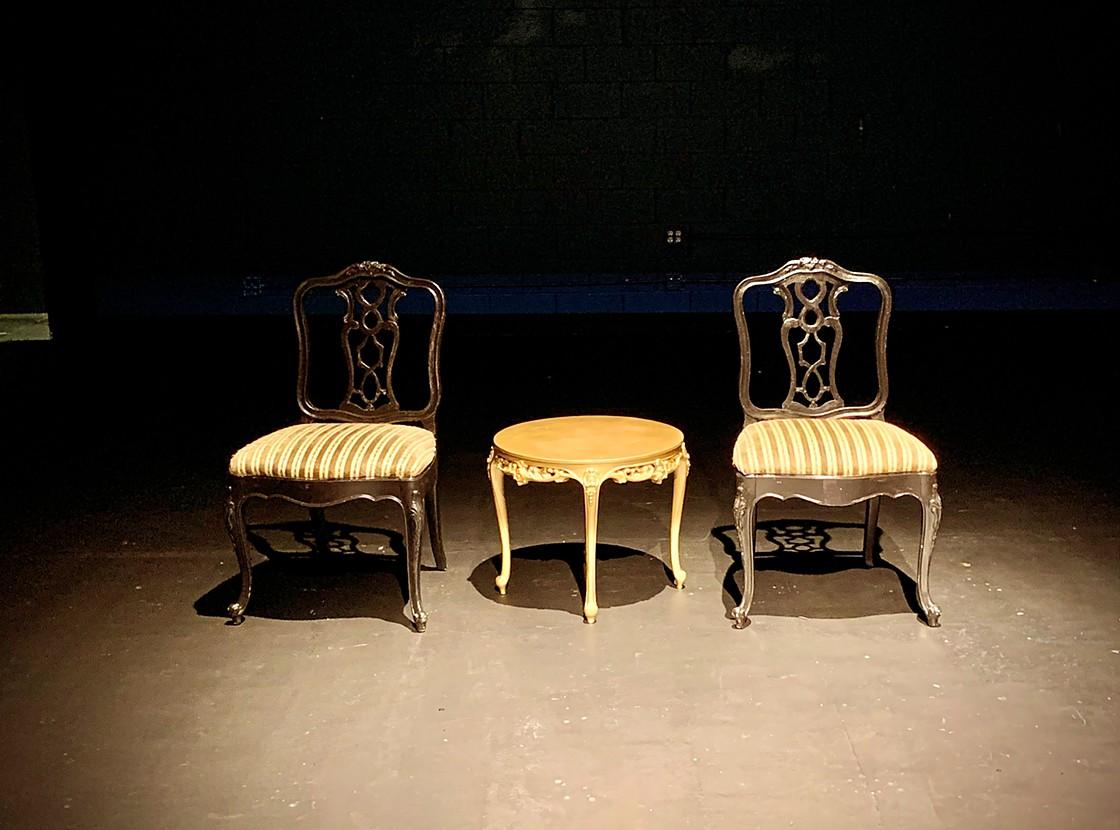
GH: It’s been surprisingly empowering. I've had arthritis since I was 15, and a few years ago I had two full knee replacements. I'm working on some pieces that are about growing up with a chronic disease, and how that affects the transition into womanhood. You're busted up before you even grow up.
The Knee Play is a solo piece in which my knees have little faces drawn on them, and we have a conversation. I presented it at Puppets in Progress, and the first cut needed work. I received a lot of feedback and support, which the puppetry community is really good at. It's always interesting to see the difference between how I conceive of the work in my head and what comes out in reality. When you're presenting yourself in a specific narrative, part of it is being vulnerable and part of it is hoping you’re telling it right.
OPP: How does the inherent physicality of the medium of performance or puppetry show up in practical and conceptual ways?
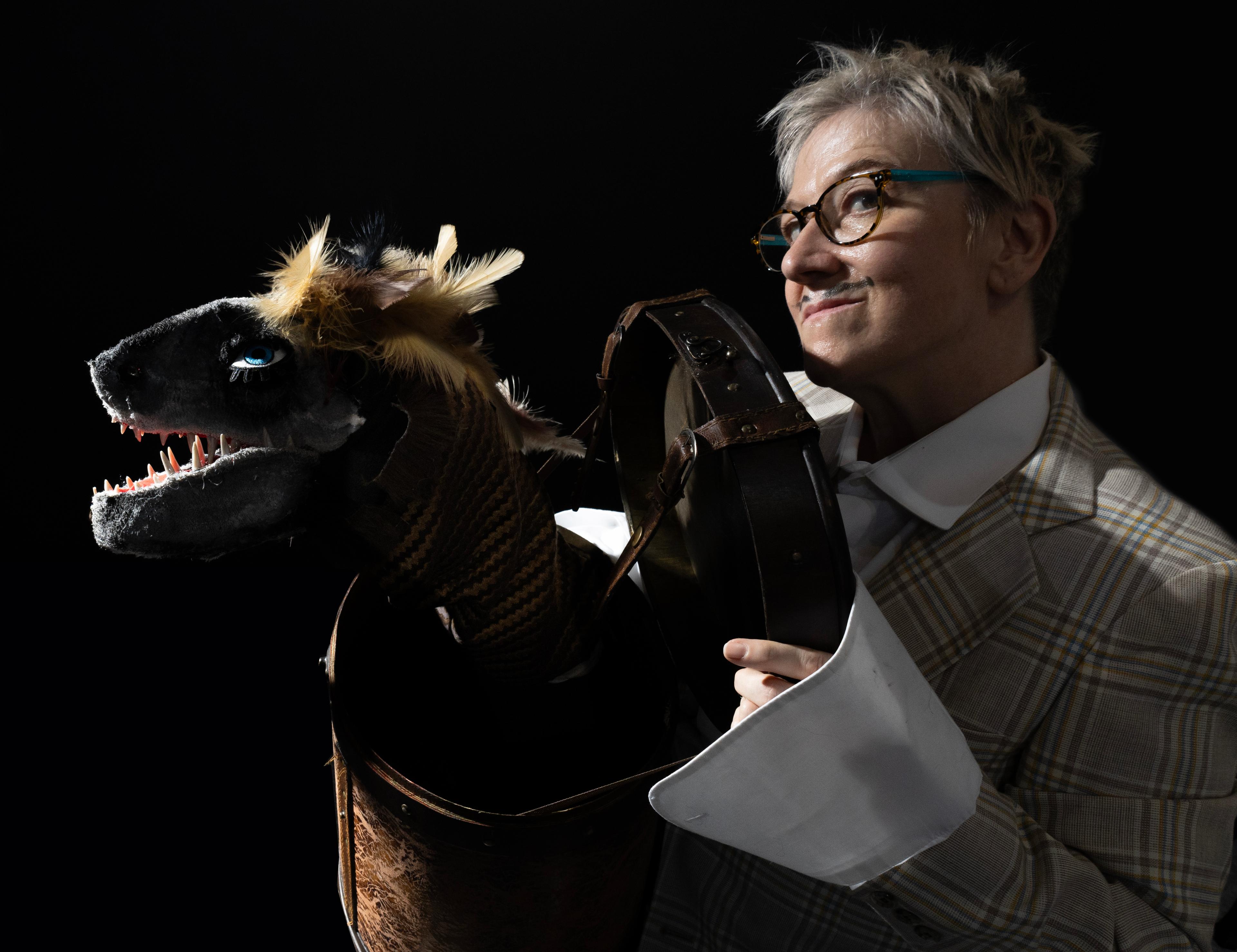
GH: That’s definitely part of what attracts me to it, making physical things that will or won’t work. I’m not only making them for myself, but for other people. The puppet “Dahlia” in The Thing With Wings was originally designed for me, but the person who ended up being inside of it is over six feet tall! In order to recalibrate it, I had to understand his physicality and capabilities which are completely different from my own. I’m not only thinking about my body but other people’s bodies, and just because I think of myself as limited doesn’t mean other people are superhuman.
OPP: You also have a robust curatorial practice. And Now: Stories from the Edge is a show you curated that was up at Agitator during the National Demographic Convention in Chicago in August. It was a follow up to a 2020 exhibition that allowed artists to reflect on the effects of the COVID pandemic. Similar to some of your personal work these curation projects deal with crucial moments in time that are characterized by uncertainty, anxiety, and fear. Are you making space for historicization, or is it more about imagining new realities?
GH: The response to both of those shows was extremely passionate, and many of the artists thanked me for putting something together at that moment. I find I can figure things out through doing something about it. The pandemic, the murder of George Floyd, and the last election cycle–these things are all still very relevant. The work for both of those shows was much less about specifically commenting on what is happening. There is a specific context, but no “correct” way to go about it.
OPP: I like the idea of not waiting for someone else to articulate what is happening in your moment. As artists, we can reclaim the present moment from some future force that will inevitably come along to make generalizations and draw conclusions. Perhaps we have a different understanding, but that doesn’t mean our present perspectives aren't valid.
GH: You end up being a part of that defining process, rather than surrendering all of that power to the future.
OPP: You are in the midst of writing a graphic novel memoir in addition to an ongoing graphic novel called Freaks’ Progress. The latter, which takes its title from The Pilgrim's Progress, is described as a way of usurping narrow and conventional understandings of salvation. Will your memoir focus on the same general theme? How does the medium itself liberate you as a storyteller from traditional modes of personal narration?
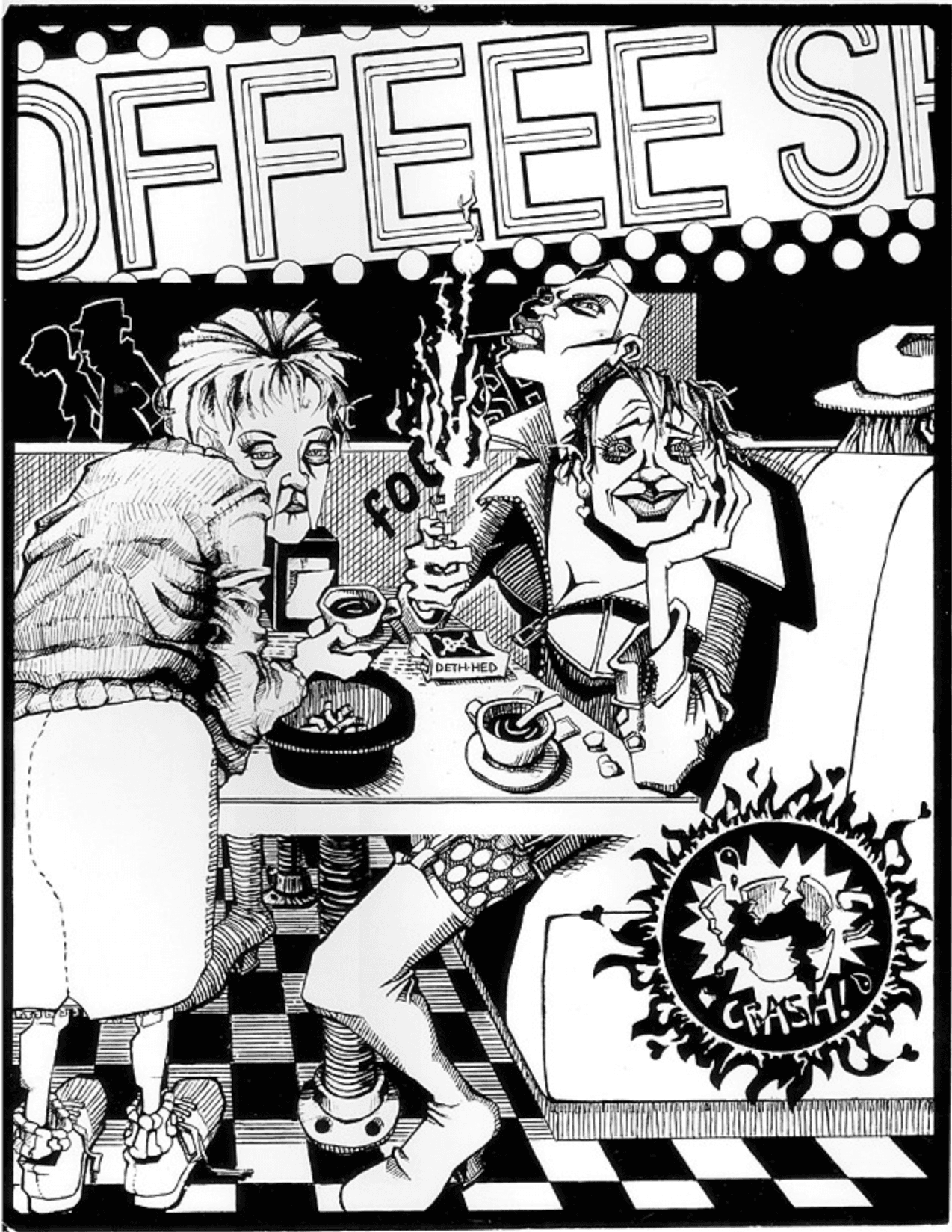
GH: I started working on the graphic novel memoir when I was at a residency at The Atlantic Center for the Arts. They always have comics in their rotation of artist residencies, and they treat it just like any other medium. In talking about Freak’s Progress with the other artists and my mentor, I realized I have a lot to say about my personal story. In the first chapter, I’m talking about losing my virginity which is always a big deal, but there was the added insecurity of feeling damaged. In retrospect I was lucky, because my first time was with someone who was going through something similar. We understood each other on a level few other people would.
It’s a long, arduous process because it's dredging up a lot. My identity has shifted since my knee replacements. For many years people defined me because I moved in a certain way, and I don’t want to forget that experience. I’ve been considering calling the book Recovery, but that implies some sort of finality or closure. I’m not done with it, and I want to explore that in the book. The first draft was a bit too cute, and didn’t hit as hard as it needs to. I’m working on dinosaurs while I let it percolate in my mind for a while.
I’m drawn to comics because of the freedom it affords me. You can fool around with incredibly serious subject matter and get away with things you couldn’t pull off otherwise. It's also something that’s very primal. Everybody draws or doodles, and comics feel like a direct connection from your mind to the page. It's something I’ve done for most of my life, a connection with who I was when I got arthritis at 15.
OPP: I'm curious about the relationship between the puppet and the puppet master and how this relates to some of your robotics work and perhaps the through-line of storytelling.
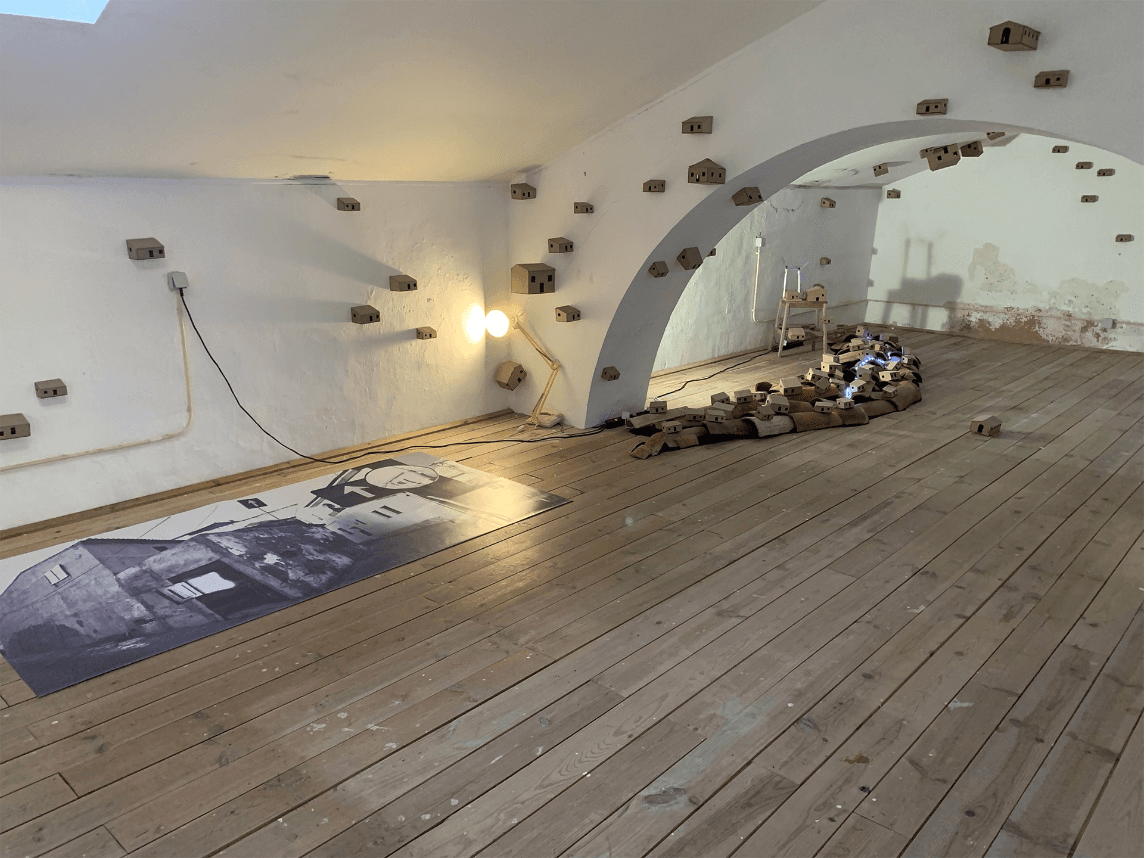
GH: Similar to comics, puppets are also something I’ve been making since I was a kid. With robotics, it sometimes feels as if there is too much that comes between you and the thing, and it's a lot of work for very little output. I’ve always been drawn to motion and kinetics, but I think I need a more direct involvement. There is also the performative aspect, that each time you tell the story it will inevitably change. A show typically consists of several performances, and trying to re -inhabit that every night as opposed to just turning on a switch, there is something that you inform differently about it every single time.
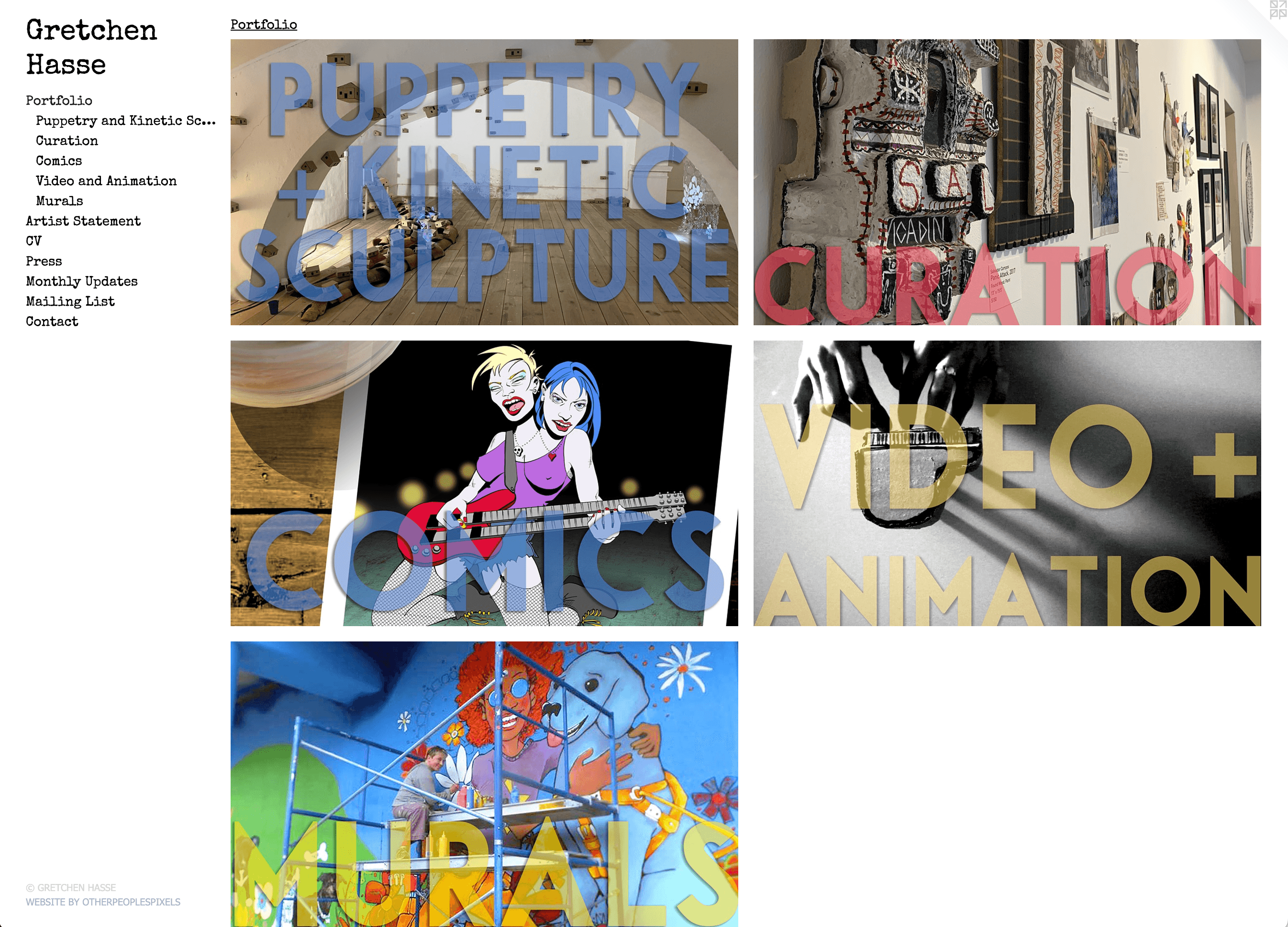
To see more of Gretchen's work, please visit gretchenhasse.com.
Featured Artist Interviews are conducted by Chicago-based artist Lillian Heredia. When she’s not creating for OtherPeoplesPixels, Lillian makes work that grapples with past experiences with religion, sustenance farming, and motherhood through the lens of her background in biology. Her work has been shown at The Ukrainian Institute of Modern Art, SAIC Galleries, Woman Made Gallery, The Martin, Purple Window, SITE Galleries, and Circle Contemporary. She received a Bachelor of Science in Biology in 2011 and recently completed a Bachelor of Fine Arts at the School of the Art Institute of Chicago with an emphasis in sculpture. Lillian is a recipient of the Presidential Merit Scholarship and has been a finalist in the Pinnacle Awards and the Documentary Family Awards. Her work is currently featured on Comfort Station’s Artist to Watch series.